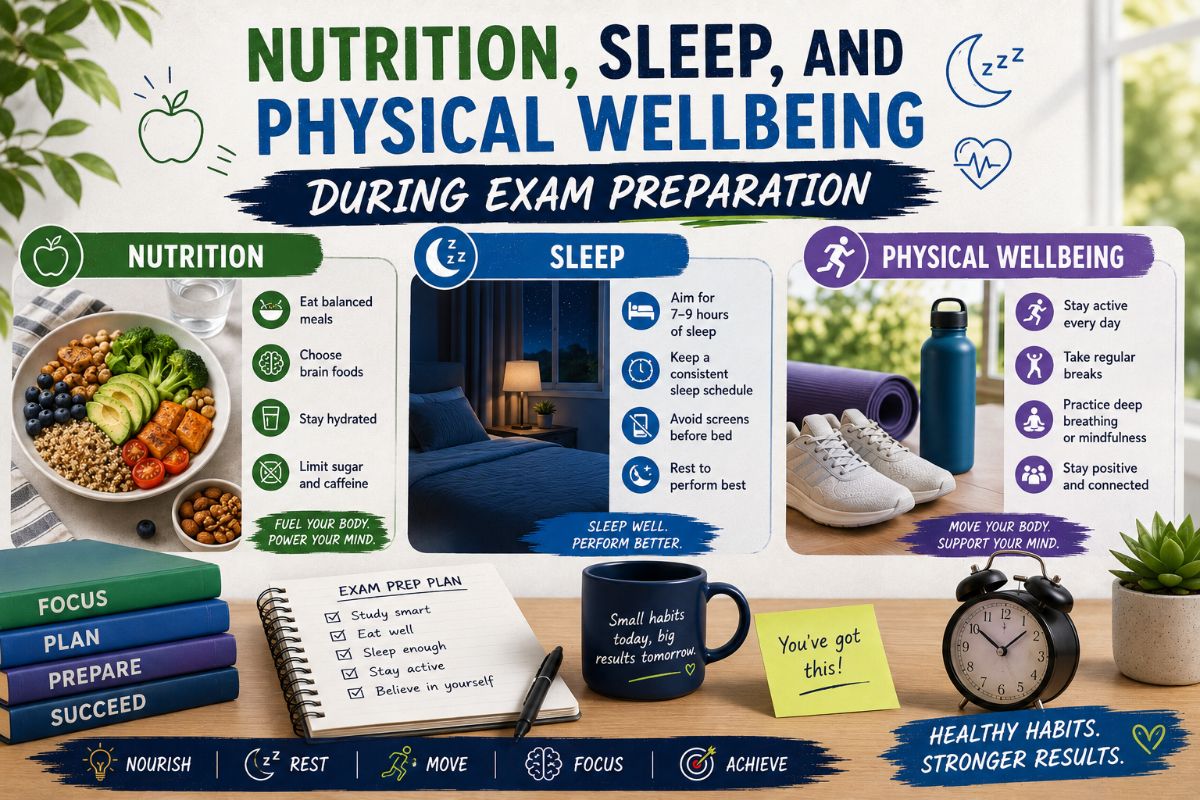
The Brain-Body Connection in Academic Performance
Academic performance is not purely cognitive. A well-nourished, well-rested, and physically active student consistently outperforms a stressed, sleep-deprived peer of equal intellectual ability. During the MYP 5 exam preparation period, parents have a direct and powerful role to play in ensuring that basic physiological needs are met. This is an area where parental action translates directly into academic outcomes.
Sleep: The Non-Negotiable Foundation
Adolescents require 8 to 10 hours of sleep per night for optimal cognitive function. Sleep is the period during which the hippocampus consolidates the day's learning into long-term memory. Chronic sleep deprivation — even by one or two hours per night — measurably impairs memory formation, attention, problem-solving, and emotional regulation. All of these capacities are directly tested in MYP 5 assessments.
Help your child establish a consistent sleep schedule, including on weekends. The most effective wind-down strategies include avoiding bright screens for 60 minutes before bed, keeping the bedroom cool and dark, and avoiding caffeine after 2 PM. Do not allow all-night study sessions — they are counterproductive and dangerous.
Nutrition During Exam Preparation
Brain function is directly influenced by nutritional intake. During exam preparation, prioritise the following:
• Complex carbohydrates: Oats, brown rice, and wholegrain bread provide sustained energy and prevent the blood sugar spikes and crashes associated with white bread and sugary snacks.
• Omega-3 fatty acids: Found in oily fish, walnuts, and flaxseed, these are essential for cognitive function and memory consolidation.
• Protein at breakfast: Eggs, yoghurt, or legumes provide amino acids that support neurotransmitter production, keeping your child alert and focused during morning study sessions.
• Hydration: Even mild dehydration — as little as 1–2% of body water — impairs cognitive performance. Ensure your child has easy access to water throughout study sessions.
• Avoid ultra-processed foods: High-sugar, high-salt snacks contribute to energy crashes, poor sleep, and irritability during a period when emotional regulation is already stretched.
Physical Activity: The Underestimated Revision Tool
Physical activity increases blood flow to the prefrontal cortex, releases mood-regulating endorphins, and reduces cortisol — the primary stress hormone. Even a 20-minute walk between study sessions has been shown to improve subsequent concentration and information retention. Protect your child's physical activity time during the exam preparation period rather than sacrificing it for extra study hours. A 30-minute run will likely produce better revision outcomes than the additional 30 minutes of desk time it would replace.
💡 Family Commitment: During the exam preparation period, consider establishing a family walk or physical activity routine after dinner. This benefits everyone, models healthy behaviour, and gives your child a daily pressure valve that does not require screens or effort to organise.